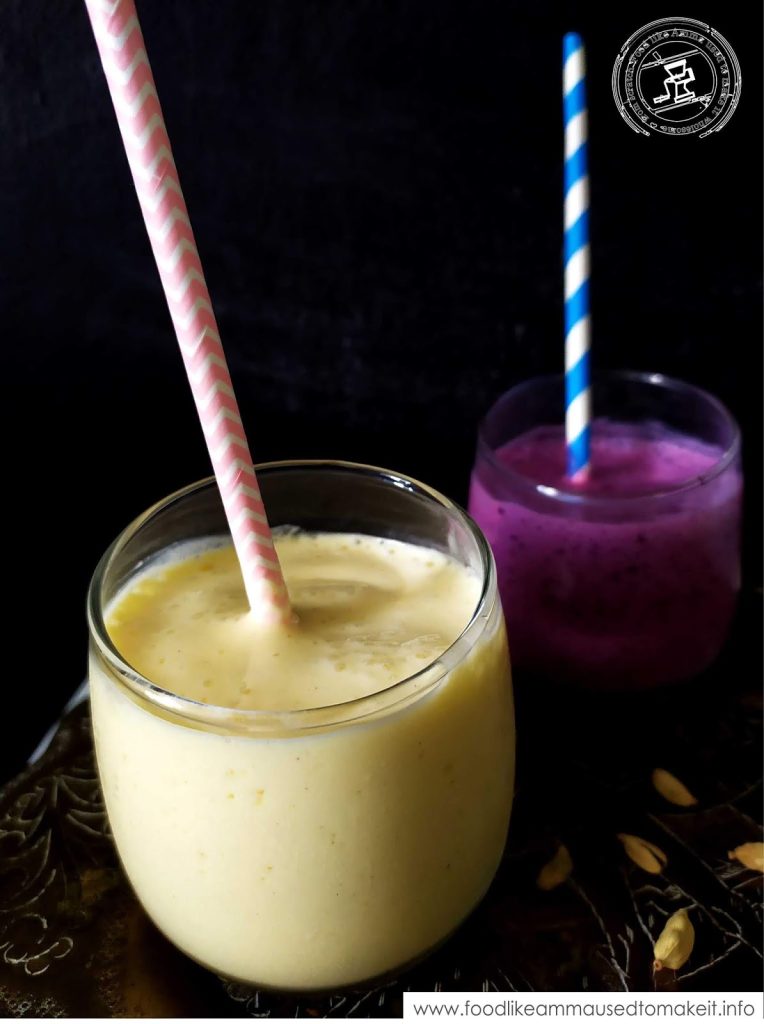
How to Prepare Lassi: A Comprehensive Guide
### Lassi Recipe: Sweet Lassi to Soothe the Summer Heat – Punjabi Food Recipes
Lassi is an age-old summer beverage originating from the colorful state of Punjab, India. This creamy, sweet yogurt drink is a cherished element of Punjabi food recipes and is particularly favored in the northern parts of India, including Rajasthan, Uttar Pradesh, and Delhi. Street vendors frequently serve frothy lassi in earthen pots known as matkas, making it an essential part of the summer experience.
#### Types of Lassi
There are three main types of lassi: salted, sweet, and masala. Sweet lassi, in particular, is rich and luxurious, thanks to the incorporation of thick milk and sugar. The secret to creating an exquisite lassi lies in using homemade yogurt (curd) that is not only thick but also chilled to elevate the refreshing experience. Fresh and sweet yogurt is crucial for achieving the perfect flavor balance.
Lassi is more than merely a drink; it can also function as a satisfying breakfast, offering a healthy start to your day.
#### Flavor Variations
The basic lassi recipe can be tailored with a range of flavors. You can enrich your lassi with cardamom powder, saffron, or a blend of dry fruits and nuts. Fruits like mango, papaya, and banana can also be mixed in for a fruity flair. Street vendors often enhance their lassi offerings by topping with dollops of fresh cream, makhan (butter), khoya, rabri, or malai, creating an even more decadent delight.
Despite the wide assortment available in stores, nothing matches the flavor of homemade lassi, especially during the scorching summer days. It stands out as one of India’s finest summer beverages.
#### Sweet Lassi Recipe
Here’s how to make a delectable sweet lassi at home:
**Ingredients:**
– 2 cups of thick yogurt (curd)
– 1 cup of cold water or milk (adjust for preferred consistency)
– 4-6 tablespoons of sugar (to taste)
– 1/2 teaspoon of cardamom powder (optional)
– Ice cubes (optional)
– Chopped nuts or dried fruits for garnish (optional)
**Instructions:**
1. In a mixing bowl, add the thick yogurt.
2. Incorporate sugar and cardamom powder, then mix thoroughly until the sugar is dissolved.
3. Gradually introduce cold water or milk to reach your desired consistency, blending until smooth.
4. If you like a chilled drink, toss in ice cubes while blending.
5. Pour the lassi into glasses and decorate with chopped nuts or dried fruits if you wish.
6. Serve right away and relish the refreshing taste of homemade sweet lassi!
#### Conclusion
Sweet lassi is more than just a beverage; it symbolizes the spirit of Punjabi hospitality and summer refreshment. With its creamy consistency and delightful flavors, it is an ideal way to cool down during the warm months. Whether enjoyed at home or from a street seller, sweet lassi remains a treasured part of Indian culinary culture.
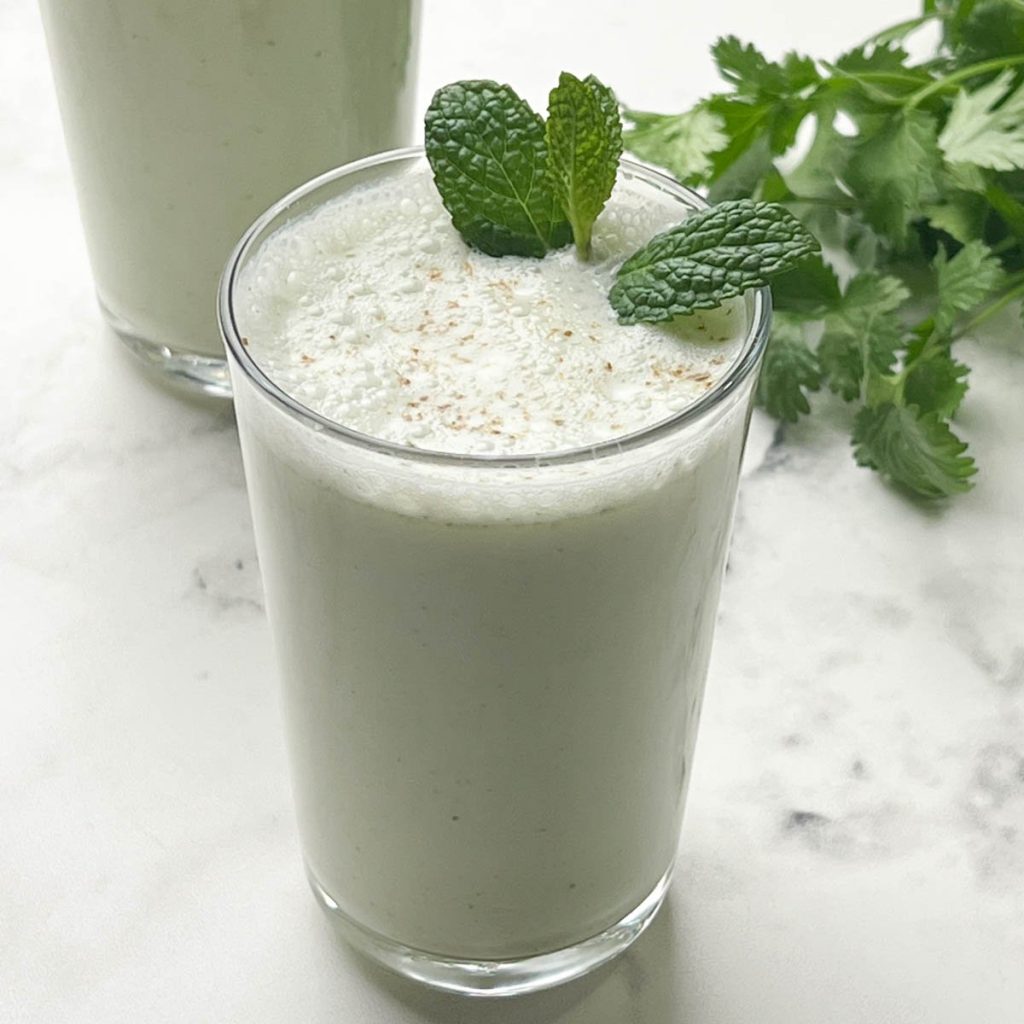
Traditional Indian Buttermilk: Chaas
### Chaas: Classic and Nutritious Summer Beverage
Chaas, often referred to as buttermilk in India, is a revitalizing and wholesome drink that enjoys great popularity in the sweltering summer months. This time-honored beverage is crafted by mixing thick yogurt or curd with water, resulting in a light and hydrating drink that is both tasty and advantageous for health.
#### Ingredients
To make chaas, gather the following ingredients:
– 1 cup of thick yogurt (curd)
– 2 cups of water
– Salt or black salt (to your liking)
– Optional flavor enhancers: ginger juice, green chili, asafoetida, roasted cumin powder, fresh coriander, and lemon juice
#### Preparation Steps
1. **Whisk the Yogurt**: In a mixing bowl, take 1 cup of thick yogurt. A whisk or a hand blender can be used to whip the yogurt until it becomes smooth and creamy.
2. **Mix with Water**: Slowly incorporate 2 cups of water into the whipped yogurt. Stir thoroughly until the blend is consistent.
3. **Incorporate Flavorings**: Season the chaas with salt or black salt as per your preference. For extra flavor, feel free to include a splash of ginger juice, finely diced green chili, a hint of asafoetida, and roasted cumin powder.
4. **Garnish**: Finely chop fresh coriander leaves and mix them into the chaas for a refreshing element. A squeeze of lemon juice can also be added to boost the flavor, if desired.
5. **Serve**: Pour the chaas into glasses and serve it chilled. It can be enjoyed alone or paired with meals.
#### Health Benefits
Chaas is not merely a delightful beverage; it offers a variety of health perks:
– **Cooling Properties**: It helps to lower body temperature, making it a perfect drink for warm summer days.
– **Digestive Support**: The probiotics found in yogurt aid in digestion and enhance gut health.
– **Hydration**: Being largely composed of water, chaas is excellent for maintaining hydration during the heat of summer.
– **Nutrient-Dense**: It provides a good amount of calcium, protein, and vital vitamins.
#### Regional Variations
Throughout various regions of India, chaas is identified by different names and may feature distinctive flavor characteristics. In southern areas, it is called **majjiga**, **majige**, or **mor**. Each locality might include indigenous spices and herbs, contributing to the variety of this cherished drink.
#### Conclusion
Chaas is a straightforward yet tasty drink that captures the spirit of an Indian summer. With its cooling effects and health advantages, it is essential for those seeking relief from the heat. Whether consumed plain or with additional spices, chaas is sure to become a favorite in your summer drink collection. Stay hydrated and relish this traditional beverage all season long!

Basil Seed Beverage: Nam Manglak Summary
### Basil Seed Drink – Nam Manglak: A Nourishing Beverage from Thailand
During the scorching summer season, invigorating and wholesome drinks become crucial for hydration and pleasure. One particular beverage that shines is Nam Manglak, a classic Thai refreshment crafted with basil seeds, also referred to as sabja. This straightforward yet healthy drink is not only uncomplicated to make but also provides a pleasing taste and texture.
#### What are Basil Seeds?
Basil seeds originate from the sweet basil plant, which is commonly utilized in diverse culinary traditions worldwide. When immersed in water, these seeds expand and acquire a gelatinous outer coating, resulting in a distinctive texture that is both crunchy and chewy. The taste of basil seeds is subtle, making them a fantastic complement to an array of beverages and desserts.
Besides their appealing texture, basil seeds are loaded with health advantages. They boast a high fiber content that promotes digestion, along with antioxidants that assist in fighting oxidative stress in the body. Additionally, basil seeds are recognized for their cooling effects, making them a perfect component for summer beverages.
#### Ingredients for Nam Manglak
To create Nam Manglak, you will require the following components:
– 2 tablespoons of sweet basil seeds (sabja)
– 2 cups of water (for soaking the seeds)
– 2 cups of your preferred flavored syrup (rose syrup, litchi syrup, or mango syrup)
– Ice cubes (optional)
– Extra water or soda (optional for dilution)
#### How to Make Nam Manglak
1. **Soak the Basil Seeds**: Start by immersing the basil seeds in 2 cups of water for around 30 minutes. You’ll observe that the seeds will expand and develop a gelatinous layer around them.
2. **Prepare the Flavored Syrup**: While the seeds are soaking, get your flavored syrup ready. You can either use a pre-made syrup or create your own by blending sugar with water and adding your chosen flavoring.
3. **Combine Ingredients**: Once the basil seeds have soaked, drain any excess water. In a large pitcher, mix the soaked basil seeds with the flavored syrup. Adjust the sweetness to your liking.
4. **Serve**: Pour the blend into glasses over ice cubes if preferred. You can also dilute the drink with additional water or soda for a lighter option.
5. **Garnish and Enjoy**: Optionally, add fresh mint leaves or a lemon slice as a garnish for extra flavor. Savor your refreshing Nam Manglak!
#### Conclusion
Nam Manglak is more than just a beverage; it’s a delightful experience that merges health benefits with invigorating flavors. The adaptability of basil seeds enables you to tailor the drink to your tastes, making it an ideal selection for summer parties or a simple afternoon refresher. Whether you opt for rose syrup, litchi syrup, or mango syrup, Nam Manglak is sure to please. So, gather some basil seeds and indulge in this nourishing Thai drink to stay cool!

Variyali Sharbat: An Invigorating Fennel Seed Drink
### Variyali Sharbat: A Cool Fennel Seed Beverage to Beat the Summer Heat
Variyali sharbat, commonly referred to as saunf sharbat, is a delightful and nutritious drink perfect for summer, originating from the colorful state of Gujarat, India. Crafted from fennel seeds, this beverage not only satisfies thirst but also provides a wealth of health advantages, making it an ideal selection for scorching summer days.
#### What is Variyali Sharbat?
Variyali and saunf are the prevalent names for fennel seeds, recognized for their fragrant taste and digestive benefits. This sharbat is a time-honored beverage that merges the benefits of fennel seeds with sweeteners and optional flavor enhancers, resulting in a revitalizing drink that is both tasty and healthful.
#### Health Benefits of Fennel Seeds
Fennel seeds have been esteemed in Ayurveda for their cooling characteristics, rendering them a superb component for summer beverages. They are known to support digestion, alleviate bloating, and freshen breath. Including fennel seeds in your meals can promote overall wellness, especially during the sweltering summer months.
#### Ingredients for Variyali Sharbat
The preparation of variyali sharbat is straightforward and requires few ingredients:
– Fennel seeds (variiyali/saunf)
– Rock sugar (mishri) for sweetness (alternatively, jaggery, sugar, or honey can also be utilized)
– Optional flavorings: dried black raisins, cloves (laung), cardamom, lemon juice, black salt, and mint leaves
#### How to Make Variyali Sharbat
1. **Preparation of Fennel Seeds**: Begin by gathering fresh fennel seeds from your garden or buying them from a market. If using fresh seeds, sun-dry them to enhance their flavor.
2. **Soaking**: Place a tablespoon of fennel seeds in water to soak overnight. This allows their flavors and nutrients to release.
3. **Blending**: The following day, blend the soaked fennel seeds with water until you achieve a smooth consistency.
4. **Sweetening**: Strain the mixture into a pitcher and add rock sugar or your choice of sweetener. Mix until it is completely dissolved.
5. **Flavoring**: For an extra burst of flavor, incorporate dried black raisins, crushed cloves, or cardamom. Alternatively, for a zesty twist, include lemon juice, black salt, and mint leaves.
6. **Serving**: Serve chilled over ice for a refreshing drink.
#### Conclusion
Variyali sharbat is more than just a drink to quench your thirst; it is a nourishing beverage that captures the spirit of summer. By adding this simple yet flavorful drink to your diet, you can relish the advantages of natural components devoid of preservatives or artificial colors. Alongside other nutritious drinks like lassi, buttermilk, and coconut water, variyali sharbat is a splendid supplement to your summer collection. Savor this delightful beverage and stay cool throughout the summer season!
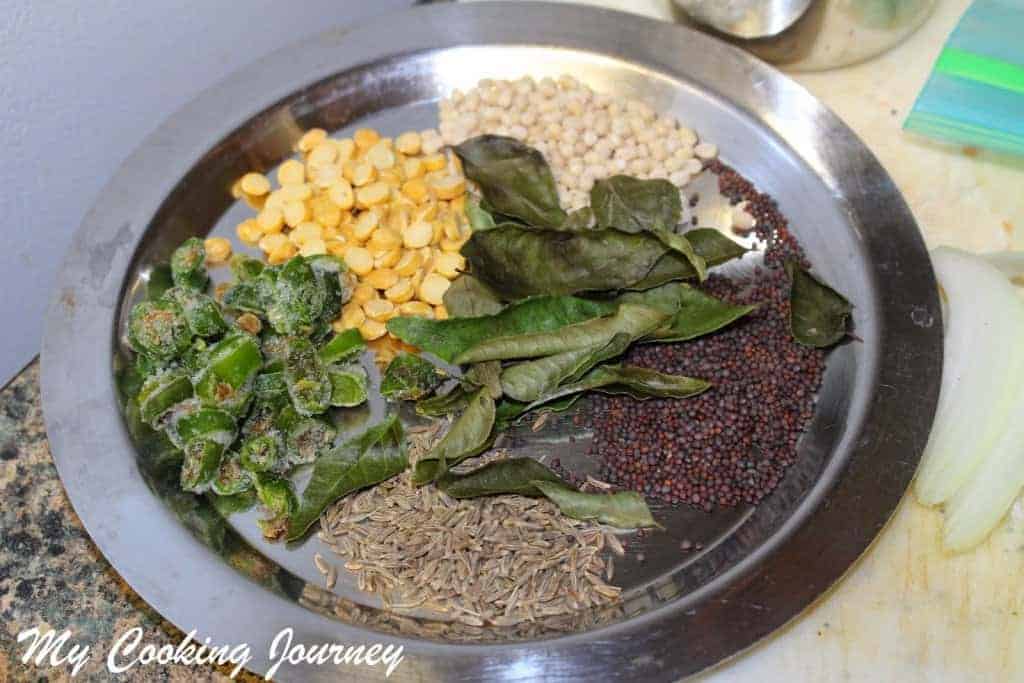
Bombay Chutney: A Classic Indian Sauce Recipe
### Bombay Chutney for Dosa and Idli: A Quick and Multi-Purpose Side Dish
Bombay chutney is a zesty gravy dish that makes for a superb complement to various South Indian breakfast delicacies such as dosa, idli, puri, chapati, and roti. This dish is especially favored in the southern regions of India, particularly in Andhra Pradesh and Tamil Nadu. Bombay chutney is commonly featured on the menus of roadside tiffin centers throughout numerous towns and cities, establishing it as a staple in many Telugu homes.
#### Historical Background of Bombay Chutney
The origins of Bombay chutney can be linked to a Maharashtrian dish called pitla, which is a dense gravy made from besan (gram flour) and traditionally enjoyed with bhakri roti, a fundamental part of Maharashtrian cuisine. Over the years, this dish has been modified to suit the South Indian taste, resulting in the more liquid consistency of Bombay chutney. Although the precise derivation of the name “Bombay chutney” is not well-documented, it is thought that the dish evolved from the classic pitla to gain popularity as a chutney in South Indian tiffin meals.
#### Variants of Bombay Chutney
One of the enticing features of Bombay chutney is its flexibility. There are numerous variations of the basic recipe, each showcasing its distinct flavor depending on the ingredients utilized. Frequent variations include:
– **Bombay Aloo Chutney**: Prepared with potatoes, this version pairs excellently with puri, chapati, and roti.
– **Onion-Free Version**: Perfect for serving alongside idli.
– **Tomato and Onion Version**: This mix beautifully enhances dosa and puri.
– **Curd-Based Version**: This chutney, including curd, adds a tangy kick that complements puri well.
Each of these variations is simple to make, establishing Bombay chutney as a preferred dish for a variety of occasions.
#### Recipe for Andhra Style Bombay Chutney
Here’s an easy recipe for making Andhra style Bombay chutney utilizing tomato and onion:
**Ingredients:**
– 1 cup besan (gram flour)
– 1 medium onion, finely chopped
– 1 medium tomato, finely chopped
– 2-3 green chilies, slit
– 1 teaspoon mustard seeds
– 1 teaspoon cumin seeds
– A pinch of turmeric powder
– Salt to taste
– 2 tablespoons oil
– Fresh coriander leaves for garnish
– Water as required
**Instructions:**
1. **Create the Base**: Warm oil in a pan and toss in mustard seeds. Once they pop, add cumin seeds, followed by the onions. Sauté until the onions become translucent.
2. **Incorporate Tomatoes**: Add the diced tomatoes and green chilies. Cook until the tomatoes become tender.
3. **Prepare the Gravy**: In a bowl, combine besan with water to create a smooth batter. Gradually pour this mixture into the pan while stirring continuously to prevent lumps.
4. **Add Seasoning**: Incorporate turmeric powder and salt. Cook on low heat, stirring occasionally, until the chutney reaches your preferred thickness.
5. **Garnish**: Remove from heat and finish with fresh coriander leaves for decoration.
6. **Serve**: Relish your Bombay chutney warm alongside dosa, idli, puri, chapati, or roti.
#### Conclusion
Bombay chutney is not just a swift and straightforward dish to prepare but also a delightful variant compared to the standard sides like coconut chutney and sambar. Whether you’re entertaining guests or in need of a quick meal fix, this adaptable chutney is bound to leave an impression. With its rich flavors and versatility, Bombay chutney is an essential dish for anyone eager to delve into the diverse realm of Indian cuisine.

How to Prepare Lassi: A Comprehensive Guide
### Lassi Recipe: Sweet Lassi to Soothe the Summer Heat – Punjabi Food Recipes
Lassi is an age-old summer beverage originating from the colorful state of Punjab, India. This creamy, sweet yogurt drink is a cherished element of Punjabi food recipes and is particularly favored in the northern parts of India, including Rajasthan, Uttar Pradesh, and Delhi. Street vendors frequently serve frothy lassi in earthen pots known as matkas, making it an essential part of the summer experience.
#### Types of Lassi
There are three main types of lassi: salted, sweet, and masala. Sweet lassi, in particular, is rich and luxurious, thanks to the incorporation of thick milk and sugar. The secret to creating an exquisite lassi lies in using homemade yogurt (curd) that is not only thick but also chilled to elevate the refreshing experience. Fresh and sweet yogurt is crucial for achieving the perfect flavor balance.
Lassi is more than merely a drink; it can also function as a satisfying breakfast, offering a healthy start to your day.
#### Flavor Variations
The basic lassi recipe can be tailored with a range of flavors. You can enrich your lassi with cardamom powder, saffron, or a blend of dry fruits and nuts. Fruits like mango, papaya, and banana can also be mixed in for a fruity flair. Street vendors often enhance their lassi offerings by topping with dollops of fresh cream, makhan (butter), khoya, rabri, or malai, creating an even more decadent delight.
Despite the wide assortment available in stores, nothing matches the flavor of homemade lassi, especially during the scorching summer days. It stands out as one of India’s finest summer beverages.
#### Sweet Lassi Recipe
Here’s how to make a delectable sweet lassi at home:
**Ingredients:**
– 2 cups of thick yogurt (curd)
– 1 cup of cold water or milk (adjust for preferred consistency)
– 4-6 tablespoons of sugar (to taste)
– 1/2 teaspoon of cardamom powder (optional)
– Ice cubes (optional)
– Chopped nuts or dried fruits for garnish (optional)
**Instructions:**
1. In a mixing bowl, add the thick yogurt.
2. Incorporate sugar and cardamom powder, then mix thoroughly until the sugar is dissolved.
3. Gradually introduce cold water or milk to reach your desired consistency, blending until smooth.
4. If you like a chilled drink, toss in ice cubes while blending.
5. Pour the lassi into glasses and decorate with chopped nuts or dried fruits if you wish.
6. Serve right away and relish the refreshing taste of homemade sweet lassi!
#### Conclusion
Sweet lassi is more than just a beverage; it symbolizes the spirit of Punjabi hospitality and summer refreshment. With its creamy consistency and delightful flavors, it is an ideal way to cool down during the warm months. Whether enjoyed at home or from a street seller, sweet lassi remains a treasured part of Indian culinary culture.
Read More
Traditional Indian Buttermilk: Chaas
### Chaas: Classic and Nutritious Summer Beverage
Chaas, often referred to as buttermilk in India, is a revitalizing and wholesome drink that enjoys great popularity in the sweltering summer months. This time-honored beverage is crafted by mixing thick yogurt or curd with water, resulting in a light and hydrating drink that is both tasty and advantageous for health.
#### Ingredients
To make chaas, gather the following ingredients:
– 1 cup of thick yogurt (curd)
– 2 cups of water
– Salt or black salt (to your liking)
– Optional flavor enhancers: ginger juice, green chili, asafoetida, roasted cumin powder, fresh coriander, and lemon juice
#### Preparation Steps
1. **Whisk the Yogurt**: In a mixing bowl, take 1 cup of thick yogurt. A whisk or a hand blender can be used to whip the yogurt until it becomes smooth and creamy.
2. **Mix with Water**: Slowly incorporate 2 cups of water into the whipped yogurt. Stir thoroughly until the blend is consistent.
3. **Incorporate Flavorings**: Season the chaas with salt or black salt as per your preference. For extra flavor, feel free to include a splash of ginger juice, finely diced green chili, a hint of asafoetida, and roasted cumin powder.
4. **Garnish**: Finely chop fresh coriander leaves and mix them into the chaas for a refreshing element. A squeeze of lemon juice can also be added to boost the flavor, if desired.
5. **Serve**: Pour the chaas into glasses and serve it chilled. It can be enjoyed alone or paired with meals.
#### Health Benefits
Chaas is not merely a delightful beverage; it offers a variety of health perks:
– **Cooling Properties**: It helps to lower body temperature, making it a perfect drink for warm summer days.
– **Digestive Support**: The probiotics found in yogurt aid in digestion and enhance gut health.
– **Hydration**: Being largely composed of water, chaas is excellent for maintaining hydration during the heat of summer.
– **Nutrient-Dense**: It provides a good amount of calcium, protein, and vital vitamins.
#### Regional Variations
Throughout various regions of India, chaas is identified by different names and may feature distinctive flavor characteristics. In southern areas, it is called **majjiga**, **majige**, or **mor**. Each locality might include indigenous spices and herbs, contributing to the variety of this cherished drink.
#### Conclusion
Chaas is a straightforward yet tasty drink that captures the spirit of an Indian summer. With its cooling effects and health advantages, it is essential for those seeking relief from the heat. Whether consumed plain or with additional spices, chaas is sure to become a favorite in your summer drink collection. Stay hydrated and relish this traditional beverage all season long!
Read More
Basil Seed Beverage: Nam Manglak Summary
### Basil Seed Drink – Nam Manglak: A Nourishing Beverage from Thailand
During the scorching summer season, invigorating and wholesome drinks become crucial for hydration and pleasure. One particular beverage that shines is Nam Manglak, a classic Thai refreshment crafted with basil seeds, also referred to as sabja. This straightforward yet healthy drink is not only uncomplicated to make but also provides a pleasing taste and texture.
#### What are Basil Seeds?
Basil seeds originate from the sweet basil plant, which is commonly utilized in diverse culinary traditions worldwide. When immersed in water, these seeds expand and acquire a gelatinous outer coating, resulting in a distinctive texture that is both crunchy and chewy. The taste of basil seeds is subtle, making them a fantastic complement to an array of beverages and desserts.
Besides their appealing texture, basil seeds are loaded with health advantages. They boast a high fiber content that promotes digestion, along with antioxidants that assist in fighting oxidative stress in the body. Additionally, basil seeds are recognized for their cooling effects, making them a perfect component for summer beverages.
#### Ingredients for Nam Manglak
To create Nam Manglak, you will require the following components:
– 2 tablespoons of sweet basil seeds (sabja)
– 2 cups of water (for soaking the seeds)
– 2 cups of your preferred flavored syrup (rose syrup, litchi syrup, or mango syrup)
– Ice cubes (optional)
– Extra water or soda (optional for dilution)
#### How to Make Nam Manglak
1. **Soak the Basil Seeds**: Start by immersing the basil seeds in 2 cups of water for around 30 minutes. You’ll observe that the seeds will expand and develop a gelatinous layer around them.
2. **Prepare the Flavored Syrup**: While the seeds are soaking, get your flavored syrup ready. You can either use a pre-made syrup or create your own by blending sugar with water and adding your chosen flavoring.
3. **Combine Ingredients**: Once the basil seeds have soaked, drain any excess water. In a large pitcher, mix the soaked basil seeds with the flavored syrup. Adjust the sweetness to your liking.
4. **Serve**: Pour the blend into glasses over ice cubes if preferred. You can also dilute the drink with additional water or soda for a lighter option.
5. **Garnish and Enjoy**: Optionally, add fresh mint leaves or a lemon slice as a garnish for extra flavor. Savor your refreshing Nam Manglak!
#### Conclusion
Nam Manglak is more than just a beverage; it’s a delightful experience that merges health benefits with invigorating flavors. The adaptability of basil seeds enables you to tailor the drink to your tastes, making it an ideal selection for summer parties or a simple afternoon refresher. Whether you opt for rose syrup, litchi syrup, or mango syrup, Nam Manglak is sure to please. So, gather some basil seeds and indulge in this nourishing Thai drink to stay cool!
Read More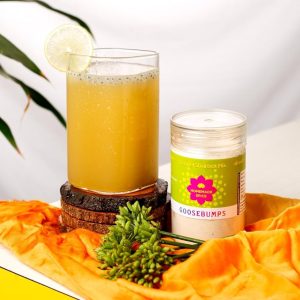
Variyali Sharbat: An Invigorating Fennel Seed Drink
### Variyali Sharbat: A Cool Fennel Seed Beverage to Beat the Summer Heat
Variyali sharbat, commonly referred to as saunf sharbat, is a delightful and nutritious drink perfect for summer, originating from the colorful state of Gujarat, India. Crafted from fennel seeds, this beverage not only satisfies thirst but also provides a wealth of health advantages, making it an ideal selection for scorching summer days.
#### What is Variyali Sharbat?
Variyali and saunf are the prevalent names for fennel seeds, recognized for their fragrant taste and digestive benefits. This sharbat is a time-honored beverage that merges the benefits of fennel seeds with sweeteners and optional flavor enhancers, resulting in a revitalizing drink that is both tasty and healthful.
#### Health Benefits of Fennel Seeds
Fennel seeds have been esteemed in Ayurveda for their cooling characteristics, rendering them a superb component for summer beverages. They are known to support digestion, alleviate bloating, and freshen breath. Including fennel seeds in your meals can promote overall wellness, especially during the sweltering summer months.
#### Ingredients for Variyali Sharbat
The preparation of variyali sharbat is straightforward and requires few ingredients:
– Fennel seeds (variiyali/saunf)
– Rock sugar (mishri) for sweetness (alternatively, jaggery, sugar, or honey can also be utilized)
– Optional flavorings: dried black raisins, cloves (laung), cardamom, lemon juice, black salt, and mint leaves
#### How to Make Variyali Sharbat
1. **Preparation of Fennel Seeds**: Begin by gathering fresh fennel seeds from your garden or buying them from a market. If using fresh seeds, sun-dry them to enhance their flavor.
2. **Soaking**: Place a tablespoon of fennel seeds in water to soak overnight. This allows their flavors and nutrients to release.
3. **Blending**: The following day, blend the soaked fennel seeds with water until you achieve a smooth consistency.
4. **Sweetening**: Strain the mixture into a pitcher and add rock sugar or your choice of sweetener. Mix until it is completely dissolved.
5. **Flavoring**: For an extra burst of flavor, incorporate dried black raisins, crushed cloves, or cardamom. Alternatively, for a zesty twist, include lemon juice, black salt, and mint leaves.
6. **Serving**: Serve chilled over ice for a refreshing drink.
#### Conclusion
Variyali sharbat is more than just a drink to quench your thirst; it is a nourishing beverage that captures the spirit of summer. By adding this simple yet flavorful drink to your diet, you can relish the advantages of natural components devoid of preservatives or artificial colors. Alongside other nutritious drinks like lassi, buttermilk, and coconut water, variyali sharbat is a splendid supplement to your summer collection. Savor this delightful beverage and stay cool throughout the summer season!
Read More
Bombay Chutney: A Classic Indian Sauce Recipe
### Bombay Chutney for Dosa and Idli: A Quick and Multi-Purpose Side Dish
Bombay chutney is a zesty gravy dish that makes for a superb complement to various South Indian breakfast delicacies such as dosa, idli, puri, chapati, and roti. This dish is especially favored in the southern regions of India, particularly in Andhra Pradesh and Tamil Nadu. Bombay chutney is commonly featured on the menus of roadside tiffin centers throughout numerous towns and cities, establishing it as a staple in many Telugu homes.
#### Historical Background of Bombay Chutney
The origins of Bombay chutney can be linked to a Maharashtrian dish called pitla, which is a dense gravy made from besan (gram flour) and traditionally enjoyed with bhakri roti, a fundamental part of Maharashtrian cuisine. Over the years, this dish has been modified to suit the South Indian taste, resulting in the more liquid consistency of Bombay chutney. Although the precise derivation of the name “Bombay chutney” is not well-documented, it is thought that the dish evolved from the classic pitla to gain popularity as a chutney in South Indian tiffin meals.
#### Variants of Bombay Chutney
One of the enticing features of Bombay chutney is its flexibility. There are numerous variations of the basic recipe, each showcasing its distinct flavor depending on the ingredients utilized. Frequent variations include:
– **Bombay Aloo Chutney**: Prepared with potatoes, this version pairs excellently with puri, chapati, and roti.
– **Onion-Free Version**: Perfect for serving alongside idli.
– **Tomato and Onion Version**: This mix beautifully enhances dosa and puri.
– **Curd-Based Version**: This chutney, including curd, adds a tangy kick that complements puri well.
Each of these variations is simple to make, establishing Bombay chutney as a preferred dish for a variety of occasions.
#### Recipe for Andhra Style Bombay Chutney
Here’s an easy recipe for making Andhra style Bombay chutney utilizing tomato and onion:
**Ingredients:**
– 1 cup besan (gram flour)
– 1 medium onion, finely chopped
– 1 medium tomato, finely chopped
– 2-3 green chilies, slit
– 1 teaspoon mustard seeds
– 1 teaspoon cumin seeds
– A pinch of turmeric powder
– Salt to taste
– 2 tablespoons oil
– Fresh coriander leaves for garnish
– Water as required
**Instructions:**
1. **Create the Base**: Warm oil in a pan and toss in mustard seeds. Once they pop, add cumin seeds, followed by the onions. Sauté until the onions become translucent.
2. **Incorporate Tomatoes**: Add the diced tomatoes and green chilies. Cook until the tomatoes become tender.
3. **Prepare the Gravy**: In a bowl, combine besan with water to create a smooth batter. Gradually pour this mixture into the pan while stirring continuously to prevent lumps.
4. **Add Seasoning**: Incorporate turmeric powder and salt. Cook on low heat, stirring occasionally, until the chutney reaches your preferred thickness.
5. **Garnish**: Remove from heat and finish with fresh coriander leaves for decoration.
6. **Serve**: Relish your Bombay chutney warm alongside dosa, idli, puri, chapati, or roti.
#### Conclusion
Bombay chutney is not just a swift and straightforward dish to prepare but also a delightful variant compared to the standard sides like coconut chutney and sambar. Whether you’re entertaining guests or in need of a quick meal fix, this adaptable chutney is bound to leave an impression. With its rich flavors and versatility, Bombay chutney is an essential dish for anyone eager to delve into the diverse realm of Indian cuisine.
Read More
Mango Chutney: A Condiment Recipe with Sweet and Spicy Flavors
### Mango Chutney Recipe: A Traditional Indian Relish with Sweet and Tangy Notes from Green Mango
Mango chutney is a cherished accompaniment in Indian cooking, renowned for its harmonious blend of sweet, tangy, and spicy tastes. This adaptable relish, commonly known as aam ki launji or aam ki meethi chatni, is mainly composed of green mangoes and remains a fundamental choice throughout the mango season.
#### Ingredients
– 2 medium green mangoes
– 1 cup jaggery (or sugar)
– 1 teaspoon kalonji (black onion seeds)
– 1 teaspoon fennel seeds
– 1/4 teaspoon hing (asafoetida)
– 1 teaspoon Kashmiri red chili powder (or adjust to taste)
– Salt to taste
– 1 cup water
#### Instructions
1. **Prepare the Mangoes**: Peel the green mangoes and cut them into slightly larger chunks or thin wedges.
2. **Tempering Spices**: In a pan, warm a tablespoon of oil over medium heat. Incorporate the black onion seeds, fennel seeds, and asafoetida. Sauté for a minute until aromatic.
3. **Cooking the Mango**: Incorporate the chopped mangoes into the pan and mix thoroughly to ensure they are coated with the tempered spices.
4. **Add Sweetness**: Pour in the water and bring the blend to a boil. Once boiling, lower the heat and introduce the jaggery (or sugar). Stir until it is fully dissolved.
5. **Simmer**: Add the Kashmiri red chili powder and salt. Let the chutney simmer for approximately 20-25 minutes, stirring occasionally, until the mangoes soften and the mixture attains a chutney-like thickness.
6. **Cool and Store**: After cooking, remove from heat and allow it to cool. Transfer to a clean jar and refrigerate. It can be stored for several weeks.
#### Serving Suggestions
Mango chutney is highly versatile and can be savored in numerous ways:
– As a dip or spread with **parathas**, **roti**, or **mathri**.
– As a condiment alongside grilled meats like chicken or shrimp.
– A zesty addition to sandwiches or wraps.
– Mixed into salads for a sweet and tangy dressing.
– Served with chips or nachos for a delightful snack.
#### Tips for Creating Perfect Mango Chutney
– **Choose the Right Mango**: Opt for medium sour raw mangoes. If they are excessively sour, let them ripen for a couple of days prior to use.
– **Adjust Sweetness**: Sample the chutney while simmering and modify the sweetness to your liking. If substituting sugar for jaggery, commence with 1 1/4 cups and adjust as required.
– **Spice Variations**: Feel free to play around with spices according to your preference. Some variations may include adding ginger or garlic for an additional kick.
Mango chutney is more than just a condiment; it’s a festival of flavors that enhances any meal. Whether you’re relishing it at a family gathering or utilizing it to elevate your everyday meals, this traditional Indian relish is bound to impress.
Read More
Instant Mango Pickle Recipe: Mamidikaya Menthi Pacchadi
### Mamidikaya Menthi Pachadi: Quick Mango Pickle Recipe from Andhra
Mamidikaya menthi pachadi, commonly referred to as quick mango pickle, is a cherished condiment in Andhra Pradesh, India. This zesty and spicy pickle is prepared using raw mangoes and fenugreek seeds, making it a tasty complement to any dish. It is especially favored during the hot summer months when mangoes are plentiful.
#### Ingredients
– 2 medium raw mangoes
– 2 tablespoons fenugreek seeds (menthulu)
– 2 tablespoons mustard seeds
– 1-2 tablespoons red chili powder (modify to taste)
– Salt to taste
– 1 tablespoon oil (optional)
#### Instructions
1. **Preparing the Mangoes**:
– Thoroughly wash the raw mangoes.
– Dice them into small, fine pieces, discarding the seed.
2. **Roasting the Seeds**:
– In a dry skillet, roast the fenugreek seeds over low heat until they shift to a golden brown color and become aromatic. Take care not to scorch them.
– Remove from the heat and allow them to cool.
– Once cooled, grind the roasted fenugreek seeds into a fine powder.
– Repeat this for the mustard seeds, grinding them into a coarse powder.
3. **Combining the Ingredients**:
– In a mixing bowl, blend the chopped mango pieces, roasted fenugreek powder, roasted mustard powder, red chili powder, and salt.
– If preferred, add a tablespoon of oil to elevate the flavor and assist in preserving the pickle.
4. **Storing the Pickle**:
– Pour the mixture into a clean, dry jar.
– Seal the jar securely and store in the refrigerator. This pickle can remain good for about 2-3 months in the fridge.
5. **Serving**:
– Mamidikaya menthi pachadi pairs excellently with steamed rice, a dollop of ghee, and mudda pappu (cooked tur dal). It can also be enjoyed alongside various Indian breads and dishes.
#### Tips for Preparing Mamidikaya Menthi Pachadi
– Opt for fresh, firm, and slightly tangy mangoes for optimal flavor.
– Modify the amount of chili powder based on your spice tolerance.
– Ensure that all utensils and jars are clean and dry to prevent spoilage.
#### Conclusion
Mamidikaya menthi pachadi is more than just a pickle; it is a treasured element of Andhra cuisine that infuses meals with incredible flavor. This simple and quick recipe enables you to savor the taste of summer throughout the year. Whether a pickle lover or trying it for the first time, this quick mango pickle is bound to become a favorite in your culinary repertoire. Relish the lively flavors of Andhra Pradesh with this delightful condiment!
Read More
Gujarati Sweet Mango Pickle Recipe: Aam Ka Chunda
### Aam Ka Chunda: Gujarati Sweet Mango Pickle Recipe
Aam ka chunda, commonly referred to as chundo, is a scrumptious sweet mango pickle originating from the lively culinary traditions of Gujarat, India. This classic pickle is prepared using grated raw mangoes, sugar or jaggery, along with a mix of spices, resulting in a delicious condiment that enhances a range of dishes.
#### Ingredients
– 2 cups grated raw mango
– 1 cup sugar (or jaggery)
– 1 teaspoon salt
– 1 teaspoon red chili powder (adjust according to preference)
– 1 teaspoon roasted cumin powder
– 2-3 cloves
– 1 small piece of cinnamon stick
#### Traditional Sun-Drying Method
1. **Preparation**: In a bowl, combine the grated mango and sugar well. Ensure that the sugar coats the mango evenly.
2. **Sun-Drying**: Spread the mixture on a clean, dry plate or tray. Set it in direct sunlight for about 7 to 10 days. Stir the mixture daily to promote uniform drying. The sugar will slowly dissolve, creating a thick syrup as it absorbs moisture from the mango.
3. **Final Touches**: When the mixture has thickened and the sugar has achieved a syrupy consistency, incorporate salt, red chili powder, and roasted cumin powder. Mix thoroughly.
4. **Storage**: Transfer the chunda to a sterilized glass jar and keep it in a cool, dry area. It can be savored right away, but develops a richer flavor after a few days.
#### Quick Stove-Top Method
For those seeking a faster option, the stove-top method works quite well:
1. **Cooking**: In a heavy-bottomed pan, combine grated mango, sugar, cloves, and cinnamon. Cook over low heat, stirring constantly until the sugar dissolves and the mixture becomes liquid.
2. **Thickening**: Continue cooking while watching for surface bubbles. As the bubbles diminish, keep stirring until the mixture thickens slightly. Take care not to overcook, as it may crystallize.
3. **Finishing**: Once thickened, remove from the heat and allow it to cool to room temperature. Add salt, red chili powder, and roasted cumin powder, blending thoroughly.
4. **Storage**: Transfer the chunda into a sterilized jar and refrigerate. It is ready for immediate consumption.
#### Serving Suggestions
Aam ka chunda is exceptionally adaptable. It can be enjoyed as a spread on toast, a dip for snacks like mathri or chips, or served with Indian breads such as parathas and rotis. It pairs wonderfully with Gujarati snacks like thepla, fafda, and khari puri, making it an ideal accompaniment for any meal.
#### Conclusion
Aam ka chunda is more than just a pickle; it embodies a symphony of flavors that capture the spirit of Gujarati cuisine. Whether you choose the traditional sun-drying method or the quick stove-top approach, this sweet mango pickle is bound to bring a burst of flavor to your dishes. Relish the delightful taste of aam ka chunda and infuse your kitchen with a touch of Gujarat!
Read More
How to Prepare Fruit Chaat: An Illustrated Guide
# Fruit Chaat Recipe: Indian Style Fresh Fruit Salad That’s Healthy and Refreshing
Fruit chaat is a delightful Indian-style fresh fruit salad that combines a variety of fruits with spices to create a refreshing and healthy dish. This vibrant salad is perfect for a midday snack, a light meal, or a colorful addition to any meal.
## Ingredients
To prepare a delicious fruit chaat, you will require the following ingredients:
– 1 cup watermelon, chopped
– 1 cup banana, sliced
– 1 cup apple, chopped
– 1 cup pineapple, chopped
– 1 teaspoon freshly ground black pepper
– 1 teaspoon roasted cumin powder
– 1 teaspoon chaat masala
– 1/2 teaspoon black salt (or to taste)
– Fresh mint leaves for garnish (optional)
## Instructions
1. **Prepare the Fruits**: Start by washing and cutting all the fruits into bite-sized pieces. You can choose any mix of seasonal fruits you like.
2. **Mix the Spices**: In a small bowl, blend the black pepper, roasted cumin powder, chaat masala, and black salt. Stir well to ensure the spices are thoroughly combined.
3. **Combine Fruits and Spices**: In a large mixing bowl, add the chopped fruits. Sprinkle the spice mix over the fruits and gently toss everything together until the fruits are evenly coated with the spices.
4. **Garnish and Serve**: If you wish, include a few mint leaves for an additional burst of flavor. Serve the fruit chaat immediately for the best taste and freshness.
## Health Benefits
Fruit chaat is not just tasty but also rich in nutrients. The fruit combination delivers essential vitamins, minerals, and antioxidants that promote overall health. Furthermore, the spices included in the recipe, such as cumin and black pepper, support digestion and contribute a distinctive flavor.
## Conclusion
This Indian-style fruit chaat is an ideal way to relish the abundance of summer fruits while keeping your meals light and refreshing. Whether enjoyed on its own or as a side dish, it is certain to impress with its vivid colors and delightful flavor. Savor this healthy salad to stay cool and energized during the hot summer days!
Read More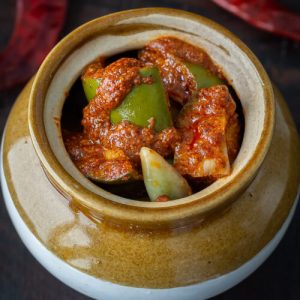
Mango Pickle Recipe: Classic Avakai (Avakaya) Making Instructions
# Mango Pickle Recipe: Avakai or Avakaya, Andhra’s Culinary Treasure
Andhra Pradesh, located in the southern part of India, is famous for its abundant culinary traditions, and one of its most treasured dishes is **avakai**, or **mango pickle**. This classic pickle is much more than just a side dish; it captures the spirit of Andhra cuisine and is a common feature in every home during the summer season.
## Grasping Avakai
The word “avakai” comes from two Telugu terms: “ava,” which signifies mustard, and “kai” or “kaya,” referring to raw fruit. The key ingredient in avakai is the green mango, known for its zesty taste. There are many types of avakai, such as bellam avakai (sweet mango pickle), endu avakai (sun-dried), allam avakai (ginger), nuvvu avakai (sesame seeds), and pesara avakaya (moong dal). Nevertheless, the traditional avakai is the most loved, recognized for its unmatched taste.
## The Significance of Avakai in Andhra Meals
A typical Andhra meal is never complete without avakaya. It is generally served alongside hot steamed rice, mudda pappu (mashed tur dal), ghee, vegetable stir-fry, charu (rasam), appadam, and yogurt. The mix of these dishes creates a nourishing and satisfying meal, often enjoyed with family and friends, reflecting the hospitality of Telugu culture.
## The Mango Pickling Ritual
The onset of summer in Andhra Pradesh signals the start of mango season, bringing forth the treasured custom of crafting avakai. Families unite to make this pickle, filling large ceramic jars (jaadis) with the freshly prepared mix. This activity serves not only as a culinary task but also as a bonding occasion, as everyone engages in the selection and preparation of the mangoes.
### Choosing the Perfect Mangoes
The success of avakai hinges on the choice of mangoes. They should be firm, ripe, undamaged, and sour. The mangoes are picked by hand from trees to ensure they remain intact, as any damage can compromise the pickle. Once gathered, the mangoes are utilized the same day to ensure their freshness.
### Preparing the Mangoes
The preparation begins with soaking the mangoes in water for an hour, followed by drying and cutting them into evenly-sized pieces while leaving the kernel intact. This careful process is essential for achieving the sought-after texture and flavor in the pickle.
## Components for Avakai
The vital ingredients for preparing avakai are:
– Freshly ground mustard powder
– Red chili powder (ideally sun-dried and ground)
– Crystal salt
– Cold-pressed gingelly oil (unrefined sesame oil)
The ratios of these ingredients are crucial. A common guideline is to use equal weights of red chili powder, mustard powder, and salt. For instance, if utilizing 100 grams of each, the same weight of mango pieces should be applied.
### Extra Flavorings
In various households, methi seeds (fenugreek) and garlic cloves are included to elevate the taste. The blend of these spices enhances the distinctive flavor of avakai, making it a favored accompaniment to meals.
## The Pickling Method
1. **Combining the Ingredients**: Mix the mango pieces with the spice blend (red chili powder, mustard powder, and salt) in a large bowl.
2. **Incorporating Oil**: Add the cold-pressed gingelly oil, ensuring it adequately covers the mango pieces.
3. **Storing the Pickle**: Transfer the mixture into a clean, dry jar. Seal it with a lid and cover with cloth. It’s crucial not to open the jar for at least three days to permit the flavors to blend.
### Final Touches
On the fourth or fifth day, gently stir the pickle with a clean ladle, and more oil can be added to enhance preservation. If creating a small batch, mixing can be done directly within the jar without transferring the mixture.
## Conclusion
Avakai is more than merely a pickle; it represents Andhra’s culinary heritage and is a reminder of beloved family traditions. The process of creating avakai is deeply rooted in love and attention, handed down through generations. As you prepare this exquisite mango pickle, you not only craft a flavorful condiment but also engage with the rich cultural fabric of Andhra Pradesh. Relish the tastes of avakai as part of your meals and honor the pride of Andhra’s culinary tradition.
Read More